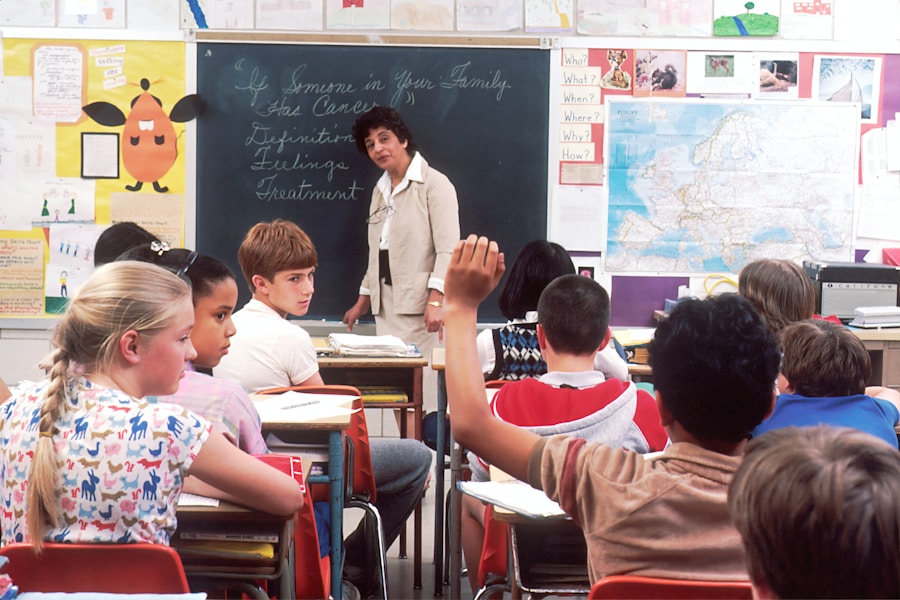
The impact of mental health education on Filipino communities is profound, serving as a vital catalyst for change by fostering understanding, reducing stigma, and empowering individuals to seek and offer support. It’s akin to planting seeds of awareness in often-barren soil, where the harsh realities of societal pressures and limited resources can make mental well-being a luxury rather than a right. This educational groundwork, however, is slowly but surely yielding a harvest of hope and improved mental health outcomes across the archipelago.
Unpacking the Filipino Context: Unique Challenges and Opportunities
The Philippines, an archipelago nation with a rich cultural tapestry, presents a unique landscape for mental health initiatives. Understanding this context is crucial for appreciating the impact of mental health education.
Generational Perspectives on Mental Wellness
For generations, mental health issues in the Philippines have often been shrouded in silence, viewed through lenses of superstition or personal weakness.
The Shadow of Stigma
- Cultural Taboos: Deep-seated cultural norms often discourage open discussion of emotional distress. Talking about struggles can be seen as a sign of weakness or a burden on the family, leading individuals to suffer in silence. This silence can be a heavy shroud, suffocating open dialogue.
- Family Honor: The concept of hiya (shame) plays a significant role. A family member experiencing mental health challenges can be perceived as bringing shame upon the entire household, further reinforcing the need for secrecy.
- Limited Knowledge: A lack of accessible and accurate information about mental health has historically perpetuated misconceptions and fueled fear. This ignorance acts like a thick fog, obscuring the true nature of mental health conditions.
The Influence of Resilience and Faith
- Adaptability: Filipino culture often emphasizes bahala na (come what may), a philosophy that, while fostering resilience, can sometimes be interpreted as a passive acceptance of suffering rather than proactive seeking of help.
- Strong Faith Communities: Religious institutions often serve as significant pillars of support, and incorporating mental health education within these spaces can be highly effective in reaching a broad audience. Faith can be a sturdy anchor in stormy seas, and mental health education can provide the tools to navigate those waves.
Socioeconomic Realities and Mental Health
The socioeconomic conditions in the Philippines directly influence mental well-being and the accessibility of mental healthcare.
The Weight of Economic Pressures
- Poverty and Inequality: Widespread poverty and economic inequality create chronic stress for many Filipinos, exacerbating existing mental health issues or triggering new ones. The daily struggle for survival can be an overwhelming tide, pulling individuals under.
- Migration and Overseas Filipino Workers (OFWs): The significant number of OFWs, while crucial for the economy, leads to family separations, often causing emotional distress for both those who leave and those who remain. Homesickness and the pressure to provide can be a heavy double burden.
- Limited Access to Care: Mental health services are often concentrated in urban areas, making them difficult to access for those in rural or geographically isolated communities. This geographical barrier is a vast chasm that many cannot cross.
The Role of Education in Bridging Gaps
- Awareness as a First Step: Education serves as the initial bridge across these challenges, illuminating the path towards understanding and acceptance. It’s the first ray of dawn breaking through a long night.
The Transformative Power of Mental Health Education
Mental health education, when thoughtfully designed and implemented, acts as a powerful force for positive change within Filipino communities. It’s not just about imparting facts; it’s about fostering a shift in perspective.
Demystifying Mental Illnesses
A primary goal of mental health education is to replace fear and misunderstanding with knowledge and empathy.
Recognizing the Signs
- Early Identification: Educating individuals on the common signs and symptoms of various mental health conditions, such as depression, anxiety, and psychosis, empowers them to recognize these issues in themselves and others. This is like learning to spot the early warning signs of a storm before it hits.
- Distinguishing from Other Issues: Education helps differentiate between temporary stress and chronic mental health disorders, preventing misdiagnosis and unnecessary worry. It’s about understanding the difference between a fleeting shadow and a persistent darkness.
Challenging Misconceptions
- Debunking Myths: Education directly confronts harmful myths and stereotypes surrounding mental illness, such as the belief that it is a spiritual curse or a sign of demonic possession. These myths are like old, tattered flags that need to be pulled down.
- Promoting a Medical Model: By presenting mental health conditions as legitimate health issues that can be treated, education encourages a more compassionate and evidence-based approach. It argues for a medical model, not a mystical one.
Fostering Empathy and Reducing Stigma
Stigma, a pervasive societal ill, is a major barrier to seeking help. Mental health education is a potent antidote.
Cultivating Compassion
- Understanding Lived Experiences: Sharing personal stories and testimonies from individuals who have experienced mental health challenges can foster empathy and humanize the issue. Hearing these stories is like opening a window into another’s world.
- Emphasizing Shared Humanity: Education highlights that mental health is a spectrum that everyone shares, promoting the understanding that anyone can experience mental health difficulties. We are all passengers on the same ship of life, navigating different currents.
Deconstructing Social Barriers
- Creating Safe Spaces: Educational programs can create forums for open and honest conversations about mental health, where individuals feel safe to express their concerns without judgment. These spaces are like well-tended gardens, where vulnerable plants can grow.
- Promoting Inclusive Language: Teaching respectful and accurate language surrounding mental health helps dismantle discriminatory attitudes and behaviors. The words we use can either build walls or open doors.
Key Areas of Impact for Mental Health Education
The influence of mental health education extends across various facets of community life, from individual well-being to broader societal attitudes.
Empowering Individuals to Seek Help
One of the most critical outcomes of effective mental health education is the increased willingness of individuals to access professional support.
Breaking Down Barriers to Access
- Normalizing Help-Seeking: When mental health is discussed openly and without shame, seeking professional help becomes a normalized and accepted part of self-care. This is like making the path to a doctor’s office clearer and less intimidating.
- Providing Information about Resources: Education typically includes information about available mental health services, such as clinics, counselors, and support groups, thereby guiding individuals towards tangible assistance. It’s like providing a map to hidden springs of relief.
Building Self-Advocacy Skills
- Understanding Treatment Options: Individuals are empowered with knowledge about different therapeutic approaches and medication, enabling them to make informed decisions about their care. They can become active participants in their own recovery.
- Developing Coping Mechanisms: Educational programs often equip individuals with practical coping strategies and resilience-building techniques to manage stress and emotional distress. These are like tools in a toolbox, ready for use when needed.
Strengthening Community Support Networks
Mental health education fosters a more supportive environment where individuals feel connected and cared for.
Encouraging Peer Support
- Building Understanding Among Peers: When peers are educated about mental health, they are better equipped to offer emotional support and understanding to those who are struggling. This creates a web of interconnected care.
- Facilitating Support Groups: Educational initiatives can lead to the formation and success of support groups, providing invaluable peer connection and shared experience. These groups are like life rafts in a turbulent ocean.
Enhancing Family and Friend Support
- Educating Loved Ones: By educating families and friends, mental health education ensures that those closest to an individual are informed and capable of offering appropriate support. They become informed allies, not unwitting obstacles.
- Promoting Effective Communication: Families learn how to communicate more effectively about emotional needs and concerns, strengthening relationships and fostering a more supportive home environment. This is like learning a new language of care.
Advocating for Policy Change and Resource Allocation
Education is not just about individual empowerment; it’s also a powerful engine for systemic change.
Raising Public Awareness
- Shaping Public Opinion: Widespread mental health education can influence public perception and create a more favorable climate for mental health reform. Public opinion can shift the wind direction, guiding policy.
- Driving Demand for Services: Increased awareness and understanding create a greater demand for accessible and affordable mental health services. This demand is the engine that can drive policy change.
Influencing Policymakers
- Highlighting the Need for Investment: Educated communities can effectively advocate for increased government funding and resources allocated to mental health services and programs. They can present a compelling case for investment, demonstrating the long-term benefits.
- Promoting Stigma-Free Policies: Education contributes to the development of policies that protect the rights of individuals with mental health conditions and promote their inclusion in all aspects of society. These policies are the sturdy scaffolding that supports a more equitable society.
Challenges and Future Directions for Mental Health Education in the Philippines
Despite the significant progress, the landscape of mental health education in the Philippines is not without its challenges. Addressing these hurdles is crucial for sustained impact.
Overcoming Implementation Hurdles
The practicalities of delivering widespread and effective mental health education present ongoing difficulties.
Reaching Remote Populations
- Geographical Barriers: The archipelagic nature of the Philippines makes it challenging to reach individuals in remote islands and rural areas. Innovative delivery methods, such as mobile clinics and community-based programs, are essential.
- Technological Disparities: Unequal access to technology in some communities can limit the effectiveness of online educational platforms. Low-tech and in-person approaches remain vital.
Ensuring Program Sustainability
- Funding Limitations: Securing consistent funding for mental health education programs can be a significant challenge, often relying on short-term grants. Long-term sustainability requires government commitment and private sector partnerships.
- Training Qualified Educators: A shortage of trained mental health professionals and educators can hinder the quality and reach of educational initiatives. Investing in capacity building is paramount.
Adapting to Evolving Needs
Mental health education must be dynamic and responsive to the changing needs of Filipino communities.
Culturally Sensitive Approaches
- Tailoring Content: Educational materials must be culturally sensitive, incorporating local values, beliefs, and languages to ensure relevance and effectiveness. One-size-fits-all approaches rarely work.
- Involving Community Leaders: Engaging religious leaders, local government officials, and community elders as partners can significantly enhance the credibility and reach of educational programs. Their buy-in is like a key that unlocks community doors.
Integrating Mental Health into Existing Systems
- School-Based Programs: Embedding mental health education into the school curriculum from an early age can foster a generation with greater mental health literacy. Schools are fertile ground for sowing early seeds of awareness.
- Workplace Initiatives: Implementing mental health education in workplaces can promote employee well-being and reduce the impact of work-related stress. The workplace is a significant arena where mental health can flourish or falter.
- Primary Healthcare Integration: Training primary healthcare workers to recognize and address mental health concerns can expand access to early intervention and support. This integration is like having knowledgeable guides on the front lines.
The Ongoing Journey of Mental Wellness
Mental health education in the Philippines is not a destination but a continuous journey. It is a marathon, not a sprint, requiring sustained effort and commitment from all sectors of society.
Building a Mentally Healthy Nation
The ultimate goal is to cultivate a nation where mental well-being is prioritized and where individuals feel empowered to seek and offer support without fear or shame. This is the vision of a nation where the mind is as valued as the body.
Collective Responsibility
- Shared Ownership: Realizing this vision requires a collective commitment from individuals, families, communities, and government. It’s a challenge that calls for every single person to play their part.
- Continuous Learning and Adaptation: The field of mental health is ever-evolving, necessitating a commitment to ongoing learning, research, and adaptation of educational approaches. Staying static in a dynamic field leads to obsolescence.
The Promise of a Brighter Future
- Reduced Suffering: With increased mental health literacy and reduced stigma, more Filipinos will be able to access the help they need, leading to a reduction in suffering and an improvement in overall quality of life.
- Thriving Communities: When mental well-being is prioritized, communities become more resilient, productive, and supportive, creating a ripple effect of positive change. A mentally healthy populace is the bedrock of a thriving society.
Mental health education in the Philippines is a powerful tool, capable of transforming lives and communities. By continuing to invest in, refine, and expand these educational efforts, the nation can forge a path towards a more compassionate, understanding, and mentally robust future for all its citizens.
Leave a Reply