• Skip to main content

MentalHealth PH

Mental Health Information - Philippines

Anxiety

Supporting Mental Health Advocacy: The Role of the Philippine Mental Health Association

June 17, 2025 By Jaymie Santos Leave a Comment

Mental health advocacy is crucial in raising awareness, reducing stigma, and promoting access to mental health services. It plays a significant role in ensuring that individuals with mental health conditions receive the support and resources they need to live fulfilling lives. Advocacy efforts also aim to influence policies and legislation that impact mental health care, as well as to educate the public about the importance of mental well-being. By advocating for mental health, we can work towards creating a society that is more understanding and supportive of those struggling with mental illness.
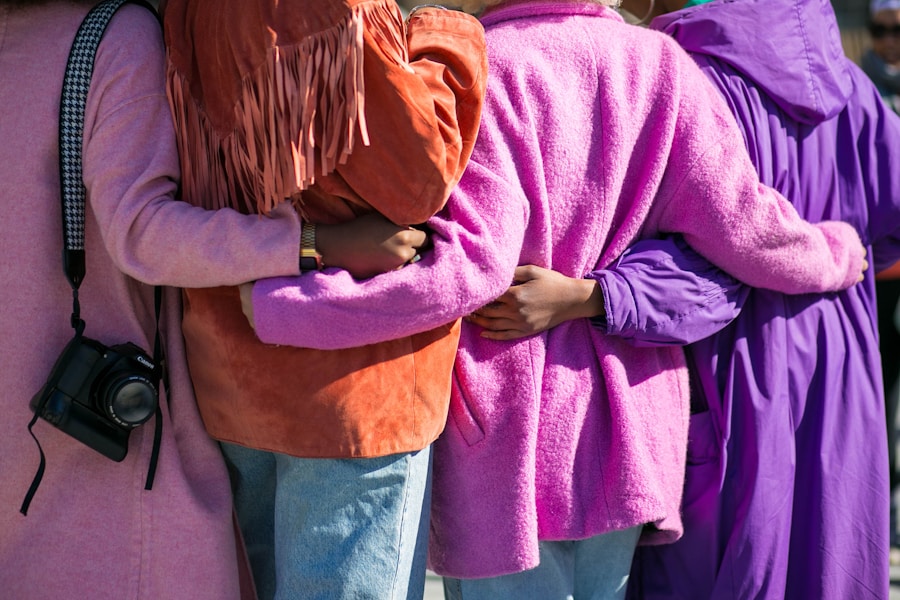

Furthermore, mental health advocacy is essential in addressing the disparities in access to mental health services. Many individuals, especially in low-income communities, face barriers to receiving proper mental health care. Advocacy efforts can help to bridge this gap by advocating for increased funding for mental health programs and services, as well as by promoting culturally competent care for diverse populations. By advocating for mental health, we can work towards creating a society that is more understanding and supportive of those struggling with mental illness.

The Role of the Philippine Mental Health Association

The Philippine Mental Health Association (PMHA) plays a crucial role in advocating for mental health in the Philippines. As the leading mental health organization in the country, PMHA is dedicated to promoting mental health awareness, providing support and resources for individuals with mental illness, and advocating for policies that prioritize mental well-being. The organization also works to reduce the stigma surrounding mental health and to increase access to mental health services for all Filipinos.

PMHA also serves as a platform for individuals and families affected by mental illness to connect with others who understand their experiences. Through support groups, educational workshops, and community events, PMHA provides a safe and supportive environment for individuals to seek help and share their stories. Additionally, PMHA collaborates with government agencies, healthcare providers, and other organizations to address the mental health needs of the Filipino population.

Programs and Services Offered by the Philippine Mental Health Association

The Philippine Mental Health Association offers a wide range of programs and services to support individuals with mental illness and promote mental well-being in the community. One of the key programs offered by PMHA is the Mental Health First Aid training, which aims to equip individuals with the skills and knowledge to provide initial support to someone experiencing a mental health crisis. This program helps to increase awareness about mental health issues and reduce stigma surrounding mental illness.

PMHA also provides counseling services for individuals and families affected by mental illness. Through individual and group counseling sessions, PMHA offers support and guidance to help individuals cope with their mental health challenges. Additionally, PMHA conducts educational workshops and seminars to raise awareness about mental health and provide information on how to access mental health services.

Advocacy Efforts and Campaigns

The Philippine Mental Health Association is actively involved in advocacy efforts and campaigns to promote mental health awareness and influence policies that impact mental health care in the Philippines. One of the key advocacy efforts of PMHA is to lobby for increased funding for mental health programs and services. By working with government officials and policymakers, PMHA advocates for policies that prioritize mental well-being and ensure that individuals with mental illness have access to the resources they need.

PMHA also conducts public awareness campaigns to reduce stigma surrounding mental health. Through social media, community events, and educational materials, PMHA aims to educate the public about the importance of mental well-being and challenge misconceptions about mental illness. Additionally, PMHA advocates for the implementation of laws and policies that protect the rights of individuals with mental illness and promote their inclusion in society.

Collaborations and Partnerships

The Philippine Mental Health Association collaborates with various organizations, government agencies, and healthcare providers to address the mental health needs of the Filipino population. By working together with other stakeholders, PMHA is able to leverage resources and expertise to provide comprehensive support for individuals with mental illness. PMHA also partners with academic institutions to conduct research on mental health issues and develop evidence-based interventions.

Furthermore, PMHA collaborates with international organizations to exchange knowledge and best practices in promoting mental health. By participating in global initiatives, PMHA is able to stay updated on the latest developments in mental health care and contribute to the advancement of mental health advocacy on a global scale. These collaborations and partnerships enable PMHA to have a greater impact on promoting mental well-being in the Philippines.

Impact and Success Stories

The Philippine Mental Health Association has made a significant impact on promoting mental health awareness and providing support for individuals with mental illness in the Philippines. Through its advocacy efforts, PMHA has successfully influenced policies that prioritize mental well-being and increase access to mental health services. Additionally, PMHA’s public awareness campaigns have helped to reduce stigma surrounding mental health and promote understanding of mental illness in the community.

Furthermore, PMHA’s programs and services have had a positive impact on the lives of individuals with mental illness. Through counseling services, support groups, and educational workshops, PMHA has provided valuable support and resources for individuals and families affected by mental illness. The organization’s collaborations and partnerships have also contributed to its success in addressing the mental health needs of the Filipino population.

How to Get Involved and Support the Philippine Mental Health Association

There are several ways to get involved and support the Philippine Mental Health Association in its advocacy efforts. One way is to volunteer your time and skills to help organize events, conduct outreach activities, or provide support for individuals with mental illness. By volunteering with PMHA, you can make a meaningful contribution to promoting mental health awareness and supporting those in need.

Another way to support PMHA is by making a donation to help fund its programs and services. Your financial contribution can help PMHA continue its advocacy efforts, provide counseling services, and conduct public awareness campaigns. Additionally, you can participate in PMHA’s events and activities to raise awareness about mental health issues and show your support for individuals with mental illness.

In conclusion, the Philippine Mental Health Association plays a crucial role in advocating for mental health in the Philippines. Through its programs and services, advocacy efforts, collaborations, and partnerships, PMHA has made a significant impact on promoting mental well-being in the country. By getting involved and supporting PMHA, you can contribute to its mission of raising awareness, reducing stigma, and providing support for individuals with mental illness. Together, we can work towards creating a society that is more understanding and supportive of those struggling with mental illness.

Filed Under: Anxiety

Mental Health Matters: The Department of Health’s Initiatives in the Philippines

June 10, 2025 By Jaymie Santos Leave a Comment

Mental health has long been a neglected issue in the Philippines, with stigma and lack of awareness contributing to the challenges faced by individuals with mental health conditions. According to the World Health Organization (WHO), mental health disorders account for 19% of the total burden of disease in the country, yet mental health services remain underfunded and inaccessible to many. The prevalence of mental health conditions, such as depression, anxiety, and schizophrenia, is on the rise, further highlighting the urgent need for improved mental health initiatives in the Philippines.

The cultural stigma surrounding mental health in the Philippines often leads to discrimination and social exclusion for individuals with mental health conditions. This stigma can prevent individuals from seeking help and accessing the support they need, leading to a cycle of suffering and isolation. Additionally, the lack of mental health education and awareness in the country perpetuates misconceptions and misunderstandings about mental health, further contributing to the challenges faced by those living with mental health conditions. In recent years, there has been a growing recognition of the need to address mental health issues in the Philippines, leading to increased efforts to promote mental health awareness and improve access to mental health services.

The Department of Health’s Efforts in Promoting Mental Health Awareness

The Department of Health (DOH) in the Philippines has been at the forefront of efforts to promote mental health awareness and improve mental health services in the country. In 2007, the Philippine Mental Health Policy was established, providing a framework for the development and implementation of mental health programs and services. The policy aims to promote mental health, prevent mental disorders, provide care, enhance recovery, and reduce the impact of mental health conditions on individuals and communities.

One of the key initiatives of the DOH is the Mental Health Program, which focuses on promoting mental health awareness, providing accessible mental health services, and training and capacity building for mental health professionals. The program aims to integrate mental health into primary healthcare services and strengthen community-based mental health services. Additionally, the DOH has been working to develop policies and guidelines for the promotion of mental health in schools, workplaces, and communities, as well as implementing programs to address the mental health needs of vulnerable populations, such as children, adolescents, and older adults.

Initiatives in Providing Accessible Mental Health Services

In order to address the lack of accessible mental health services in the Philippines, the DOH has been implementing various initiatives to improve access to care for individuals with mental health conditions. One such initiative is the establishment of community-based mental health programs, which aim to bring mental health services closer to the communities where they are needed most. These programs provide a range of services, including counseling, psychosocial support, and medication management, and are delivered by trained community health workers and volunteers.

Furthermore, the DOH has been working to integrate mental health into primary healthcare services, ensuring that individuals can access mental health support alongside their general healthcare needs. This integration helps to reduce the stigma associated with seeking mental health care and ensures that individuals receive holistic care that addresses both their physical and mental health needs. Additionally, the DOH has been collaborating with local government units to establish mental health facilities and services in underserved areas, ensuring that individuals in remote or marginalized communities have access to the care they need.

Training and Capacity Building for Mental Health Professionals

In order to strengthen the mental health workforce in the Philippines, the DOH has been prioritizing training and capacity building for mental health professionals. This includes providing specialized training for psychiatrists, psychologists, social workers, and other mental health professionals, as well as developing guidelines and standards for mental health practice. The goal is to ensure that mental health professionals are equipped with the knowledge and skills needed to provide high-quality care to individuals with mental health conditions.

The DOH has also been working to expand the mental health workforce by promoting the recruitment and retention of mental health professionals in underserved areas. This includes offering incentives for mental health professionals to work in rural or remote areas, as well as providing support for continuing education and professional development. By strengthening the mental health workforce and ensuring that professionals are distributed equitably across the country, the DOH aims to improve access to care for individuals with mental health conditions.

Collaboration with Stakeholders and Communities

Recognizing that addressing mental health issues requires a multi-sectoral approach, the DOH has been collaborating with various stakeholders and communities to promote mental health awareness and improve access to care. This includes partnering with non-governmental organizations (NGOs), academic institutions, and international agencies to develop and implement mental health programs and initiatives. By leveraging the expertise and resources of these partners, the DOH is able to expand its reach and impact in addressing mental health issues.

Additionally, the DOH has been engaging with communities to raise awareness about mental health and reduce stigma. This includes conducting community outreach programs, organizing educational campaigns, and involving community leaders in promoting mental health awareness. By working closely with communities, the DOH is able to tailor its initiatives to meet the specific needs and challenges faced by different populations, ensuring that its efforts are relevant and effective.

Advocacy and Public Awareness Campaigns

In order to change attitudes and perceptions about mental health in the Philippines, the DOH has been conducting advocacy and public awareness campaigns to promote understanding and acceptance of mental health conditions. These campaigns aim to challenge stigma, dispel myths about mental illness, and encourage individuals to seek help when needed. By raising awareness about mental health issues and promoting a message of hope and recovery, these campaigns play a crucial role in changing societal attitudes towards mental health.

The DOH has also been working to engage media outlets and influencers in promoting positive messages about mental health. By partnering with journalists, celebrities, and social media personalities, the DOH is able to reach a wider audience and amplify its message of mental health awareness. Additionally, the DOH has been leveraging digital platforms to disseminate information about mental health and provide resources for individuals seeking support.

Future Directions and Challenges in Mental Health Initiatives

Looking ahead, there are several key areas that will require continued attention and investment in order to further improve mental health initiatives in the Philippines. One such area is the need for increased funding for mental health programs and services. Despite progress in recent years, funding for mental health remains inadequate, limiting the scale and impact of initiatives aimed at promoting mental health awareness and improving access to care.

Another challenge is the need for greater integration of mental health into broader healthcare systems. While efforts have been made to integrate mental health into primary healthcare services, there is still a need for further collaboration between mental health providers and general healthcare providers. This includes ensuring that individuals with physical illnesses receive comprehensive care that addresses their mental health needs as well.

Furthermore, addressing stigma and discrimination surrounding mental health will continue to be a critical challenge. Changing societal attitudes towards mental illness requires sustained efforts in education, advocacy, and public awareness campaigns. By continuing to challenge stigma and promote understanding of mental health conditions, progress can be made towards creating a more supportive environment for individuals living with mental illness.

In conclusion, while there are challenges ahead, there is also great potential for progress in improving mental health initiatives in the Philippines. With continued investment, collaboration, and advocacy, it is possible to create a society where individuals with mental health conditions are supported and empowered to live full and meaningful lives. The efforts of the Department of Health, along with its partners and stakeholders, will play a crucial role in shaping the future of mental healthcare in the Philippines.

Filed Under: Anxiety

The State of Mental Health Care in the Philippines: Challenges and Solutions

June 3, 2025 By Jaymie Santos Leave a Comment

Mental health care in the Philippines has long been a neglected and stigmatized issue. With a population of over 100 million people, the demand for mental health services is high, yet the resources and funding allocated to mental health care are severely lacking. The Philippines has a long history of neglecting mental health, with only a few mental health facilities and professionals available to serve the entire population. The lack of access to mental health care has led to a high prevalence of untreated mental illnesses, resulting in a significant burden on individuals, families, and communities. Despite the challenges, there have been recent efforts to improve mental health care in the Philippines, but there is still much work to be done to ensure that all Filipinos have access to quality mental health services.

The Philippines has a complex and diverse culture, with a mix of traditional and modern beliefs about mental health. Many Filipinos still hold stigmatizing attitudes towards mental illness, viewing it as a sign of weakness or a moral failing. This stigma often prevents individuals from seeking help for their mental health issues, leading to a cycle of untreated illness and suffering. Additionally, the lack of understanding and awareness about mental health has contributed to the marginalization of individuals with mental illnesses. As a result, many people with mental health issues in the Philippines are left to suffer in silence, without access to the care and support they desperately need. It is clear that there is an urgent need for improved mental health care in the Philippines, as well as a shift in societal attitudes towards mental illness.

Current Challenges in Mental Health Care

The current state of mental health care in the Philippines is characterized by numerous challenges that hinder access to quality services for those in need. One of the most pressing issues is the severe shortage of mental health professionals, including psychiatrists, psychologists, and social workers. According to the World Health Organization (WHO), there are only 490 psychiatrists in the entire country, serving a population of over 100 million people. This shortage of mental health professionals makes it extremely difficult for individuals to access timely and appropriate care for their mental health issues. Additionally, the distribution of mental health professionals is heavily skewed towards urban areas, leaving those in rural and remote areas with even fewer options for care.

Another significant challenge in mental health care in the Philippines is the lack of funding and resources allocated to mental health services. The government’s budget for mental health is woefully inadequate, with only a small fraction of the overall health budget being allocated to mental health care. This lack of funding has resulted in a shortage of mental health facilities, medications, and other essential resources needed to provide comprehensive care for those with mental illnesses. As a result, many individuals with mental health issues are left without access to basic services such as counseling, medication, and support programs. The combination of these challenges has created a mental health crisis in the Philippines, with many individuals unable to access the care they need to live healthy and fulfilling lives.

Stigma and Barriers to Accessing Mental Health Services

Stigma surrounding mental illness is a pervasive issue in the Philippines, contributing to significant barriers to accessing mental health services. The negative attitudes and beliefs about mental illness have led to widespread discrimination against individuals with mental health issues, making it difficult for them to seek help and support. Many Filipinos view mental illness as a personal weakness or a result of moral failing, leading to shame and secrecy surrounding mental health issues. This stigma often prevents individuals from seeking treatment for their mental health problems, as they fear being judged or ostracized by their communities.

In addition to stigma, there are numerous other barriers that prevent individuals from accessing mental health services in the Philippines. One major barrier is the lack of awareness and understanding about mental health issues among the general population. Many Filipinos have limited knowledge about mental illness and its treatment, leading to misconceptions and misinformation about mental health. This lack of awareness can prevent individuals from recognizing their own symptoms of mental illness or seeking help for themselves or their loved ones. Furthermore, there is a shortage of culturally sensitive and accessible mental health services in the Philippines, particularly in rural and remote areas. This lack of services makes it difficult for individuals to access care that is tailored to their specific needs and cultural backgrounds. Overall, the combination of stigma and other barriers has created a significant gap in access to mental health services for many Filipinos.

Lack of Resources and Funding for Mental Health Care

The lack of resources and funding for mental health care in the Philippines is a critical issue that has contributed to the inadequate provision of services for those in need. The government’s investment in mental health has historically been minimal, with only a small portion of the overall health budget being allocated to mental health services. This lack of funding has resulted in a shortage of essential resources such as mental health facilities, medications, and trained professionals. As a result, many individuals with mental illnesses are left without access to basic services such as counseling, medication, and support programs.

Furthermore, the shortage of mental health professionals in the Philippines has created significant barriers to accessing quality care for those with mental illnesses. According to the World Health Organization (WHO), there are only 490 psychiatrists in the entire country, serving a population of over 100 million people. This severe shortage of professionals makes it extremely difficult for individuals to access timely and appropriate care for their mental health issues. Additionally, the distribution of mental health professionals is heavily skewed towards urban areas, leaving those in rural and remote areas with even fewer options for care. The combination of these challenges has created a significant gap in access to quality mental health services for many Filipinos.

Solutions and Initiatives to Improve Mental Health Care

Despite the numerous challenges facing mental health care in the Philippines, there have been recent efforts to improve access to quality services for those in need. One key initiative is the passage of the Mental Health Act in 2018, which aims to provide comprehensive and integrated mental health services for all Filipinos. The law includes provisions for the integration of mental health services into primary healthcare facilities, as well as the establishment of a national mental health hotline for crisis intervention and suicide prevention. Additionally, the law mandates the inclusion of mental health education in school curriculums and workplace wellness programs, aiming to reduce stigma and increase awareness about mental health issues.

In addition to legislative efforts, there have been numerous grassroots initiatives aimed at improving access to mental health services in the Philippines. Non-governmental organizations (NGOs) and community-based organizations have been working tirelessly to provide support and resources for individuals with mental illnesses, particularly those in underserved areas. These organizations offer counseling services, support groups, and advocacy efforts aimed at reducing stigma and increasing access to care. Furthermore, there has been an increasing focus on training and capacity-building for mental health professionals in the Philippines, aiming to address the severe shortage of trained professionals in the country.

Importance of Mental Health Education and Awareness

Mental health education and awareness play a crucial role in addressing the stigma and barriers surrounding mental illness in the Philippines. Many Filipinos have limited knowledge about mental illness and its treatment, leading to misconceptions and misinformation about mental health. This lack of awareness can prevent individuals from recognizing their own symptoms of mental illness or seeking help for themselves or their loved ones. As a result, there is an urgent need for increased education and awareness about mental health issues across all levels of society.

One key area where education can make a significant impact is within schools and educational institutions. By integrating mental health education into school curriculums, young people can learn about the signs and symptoms of mental illness, as well as how to seek help for themselves or others. Additionally, workplace wellness programs can play a crucial role in increasing awareness about mental health issues among adults. By providing information about stress management, self-care strategies, and available resources for support, employers can create a more supportive environment for employees struggling with mental health issues.

Furthermore, media plays a powerful role in shaping public perceptions about mental illness. By portraying accurate and sensitive representations of individuals with mental illnesses, media can help reduce stigma and increase understanding about these issues. Overall, increased education and awareness about mental health can help reduce stigma and improve access to quality care for those in need.

Call to Action: Advocating for Better Mental Health Care in the Philippines

In light of the numerous challenges facing mental health care in the Philippines, it is clear that there is an urgent need for advocacy efforts aimed at improving access to quality services for those in need. One key area where advocacy can make a significant impact is by calling for increased government funding for mental health services. By advocating for a larger portion of the overall health budget to be allocated towards mental health care, advocates can help address the severe shortage of resources and professionals currently facing the country.

Additionally, advocacy efforts can focus on reducing stigma surrounding mental illness through public awareness campaigns and community outreach programs. By engaging with communities and challenging negative attitudes towards mental illness, advocates can help create a more supportive environment for individuals with mental illnesses. Furthermore, advocacy can also focus on increasing access to culturally sensitive and accessible services for those in underserved areas.

Overall, there is an urgent need for increased advocacy efforts aimed at improving access to quality mental health care in the Philippines. By working together to address stigma, increase awareness, and advocate for increased funding and resources, we can create a more supportive environment for individuals with mental illnesses across the country. It is time for all Filipinos to come together and demand better mental health care for our communities.

Filed Under: Anxiety

From Stigma to Support: Navigating the Complex Landscape of Mental Health in the Philippines

May 27, 2025 By Jaymie Santos Leave a Comment

Mental health stigma in the Philippines is deeply rooted in cultural beliefs and societal norms. The prevailing attitude towards mental illness is often one of fear, shame, and misunderstanding. Many Filipinos view mental health issues as a sign of weakness or personal failure, leading to discrimination and social exclusion for those who are struggling. This stigma can have devastating effects on individuals, preventing them from seeking help and support, and exacerbating their suffering in silence.

Furthermore, the lack of education and awareness about mental health contributes to the stigma. Many Filipinos have limited understanding of mental illnesses and their causes, leading to misconceptions and harmful stereotypes. As a result, individuals with mental health conditions may be labeled as “crazy” or “unstable,” further perpetuating the stigma. It is crucial to address these misconceptions and promote a more compassionate and informed understanding of mental health in the Philippines.

The Impact of Cultural Beliefs and Practices on Mental Health

Cultural beliefs and practices play a significant role in shaping attitudes towards mental health in the Philippines. The concept of “hiya,” or shame, is deeply ingrained in Filipino culture, leading many individuals to hide their struggles with mental illness out of fear of bringing shame upon themselves and their families. Additionally, the emphasis on “pakikisama,” or social harmony, may discourage individuals from seeking help for fear of disrupting social relationships.

Moreover, traditional healing practices and spiritual beliefs also influence how mental health is perceived and addressed in the Philippines. Many Filipinos turn to faith healers, herbal remedies, and religious rituals to address mental health issues, often as a result of limited access to formal mental health services. While these practices may provide comfort and support for some individuals, they can also delay or prevent individuals from receiving evidence-based treatment for their conditions.

It is essential to recognize the impact of cultural beliefs and practices on mental health and work towards integrating culturally sensitive approaches into mental health care in the Philippines. By acknowledging and respecting diverse cultural perspectives, mental health professionals can better support individuals in their healing journey.

Accessing Mental Health Services in the Philippines

Accessing mental health services in the Philippines can be challenging due to various barriers, including limited resources, geographical disparities, and a shortage of mental health professionals. The majority of mental health services are concentrated in urban areas, leaving rural communities with limited access to care. Additionally, the cost of mental health services can be prohibitive for many Filipinos, especially those living in poverty.

Furthermore, there is a shortage of mental health professionals in the Philippines, with only a small number of psychiatrists, psychologists, and other mental health practitioners serving a population of over 100 million people. This shortage not only limits access to care but also contributes to the stigma surrounding mental health, as individuals may feel discouraged from seeking help due to the lack of available professionals.

Efforts to improve access to mental health services in the Philippines are underway, including the implementation of the Mental Health Act of 2018, which aims to provide affordable and accessible mental health care for all Filipinos. However, there is still much work to be done to ensure that all individuals have access to the support and treatment they need.

Breaking the Silence: Advocacy and Awareness Campaigns

Advocacy and awareness campaigns are crucial in breaking the silence surrounding mental health in the Philippines. By raising public awareness and challenging stigma, these campaigns play a vital role in promoting understanding and empathy for individuals with mental health conditions. Through education and advocacy, these initiatives aim to change attitudes, increase access to care, and empower individuals to seek help without fear of judgment or discrimination.

One example of a successful advocacy campaign is the “Silent No More” movement, which aims to empower individuals to speak out about their experiences with mental illness and advocate for better support and resources. Through storytelling and community engagement, this movement has helped to humanize mental health issues and challenge harmful stereotypes.

In addition to grassroots initiatives, government-led campaigns such as Mental Health Awareness Month and World Mental Health Day also play a crucial role in raising awareness and promoting understanding of mental health issues. These campaigns provide opportunities for dialogue, education, and advocacy at both the national and local levels.

Navigating the Role of Family and Community Support

Family and community support are essential components of mental health care in the Philippines. In Filipino culture, the family unit plays a central role in providing emotional support and care for individuals with mental illness. However, stigma and misconceptions about mental health can also impact how families respond to a loved one’s struggles.

It is crucial to educate families about mental health issues and provide them with the tools and resources they need to support their loved ones effectively. By fostering open communication and understanding within families, individuals with mental illness can feel more supported and empowered to seek help.

Community support is also vital in addressing mental health needs in the Philippines. Community-based organizations and support groups provide valuable resources for individuals struggling with mental illness, offering peer support, advocacy, and access to information about available services. By building strong networks of support within communities, individuals with mental health conditions can feel less isolated and more connected to resources that can help them on their journey towards healing.

Addressing the Mental Health Needs of Vulnerable Populations

Vulnerable populations in the Philippines face unique challenges when it comes to accessing mental health care. Marginalized groups such as indigenous communities, LGBTQ+ individuals, people living with disabilities, and those living in poverty are at increased risk of experiencing mental health issues due to social exclusion, discrimination, and limited access to resources.

Mental health challenges often intersect with other health concerns that carry similar stigma. For instance, LGBTQ+ individuals and other at-risk populations may face barriers to accessing not only mental health services but also sexual health resources, including HIV testing and prevention. The fear of judgment and discrimination can prevent individuals from seeking comprehensive healthcare, creating a cycle where untreated health concerns—whether mental or physical—compound each other. Breaking down these barriers requires addressing stigma across all aspects of healthcare, ensuring that individuals feel safe and supported when seeking any form of medical care, including confidential HIV testing options that can be accessed privately and without judgment.

Addressing the mental health needs of vulnerable populations requires a multifaceted approach that takes into account their specific challenges and barriers. This includes providing culturally sensitive care, addressing social determinants of health, and advocating for policies that promote equity and inclusion.

Efforts to address the mental health needs of vulnerable populations are underway through community-based initiatives, advocacy organizations, and government programs. By prioritizing the needs of marginalized communities and working towards greater equity in mental health care, we can create a more inclusive and supportive environment for all individuals in the Philippines.

The Future of Mental Health Support in the Philippines

The future of mental health support in the Philippines holds great promise as efforts continue to address stigma, improve access to care, and promote understanding of mental health issues. With the implementation of the Mental Health Act of 2018, there is hope for greater investment in mental health services, increased training for professionals, and improved access to care for all Filipinos.

Furthermore, ongoing advocacy efforts and awareness campaigns are helping to shift attitudes towards mental health and promote a more compassionate understanding of individuals with mental illness. By continuing to challenge stigma and raise awareness, we can create a more supportive environment for those struggling with mental health issues.

As we look towards the future, it is essential to prioritize the needs of vulnerable populations and ensure that all individuals have access to culturally sensitive and equitable care. By working together as a society to address mental health challenges, we can create a brighter future for all Filipinos.

Filed Under: Anxiety

Breaking the Stigma: Mental Health Awareness in the Philippines

May 20, 2025 By Jaymie Santos Leave a Comment

Mental health awareness is crucial for the overall well-being of individuals and communities. It is essential to understand and recognize the importance of mental health in order to address the stigma and discrimination that often surrounds it. Mental health awareness helps to promote understanding, empathy, and support for those who may be struggling with mental health issues. By raising awareness, we can work towards creating a more inclusive and supportive environment for individuals dealing with mental health challenges. Additionally, mental health awareness can help to reduce the negative impact of stigma and discrimination, ultimately leading to improved access to mental health services and support.

Furthermore, mental health awareness is important for breaking down barriers and promoting open conversations about mental health. By increasing awareness, we can encourage individuals to seek help when needed and reduce the shame and secrecy often associated with mental health issues. It also helps to educate the public about the signs and symptoms of mental health conditions, as well as the importance of early intervention and treatment. Overall, mental health awareness plays a critical role in promoting a more compassionate and understanding society.

Cultural Stigma Surrounding Mental Health in the Philippines

In the Philippines, there is a significant cultural stigma surrounding mental health. Mental illness is often viewed as a sign of weakness or personal failure, leading to shame and discrimination for those who are struggling. This stigma can prevent individuals from seeking help and support, as they may fear being judged or ostracized by their communities. Additionally, traditional beliefs about mental illness can lead to misconceptions and misunderstandings, further perpetuating the stigma.

The cultural stigma surrounding mental health in the Philippines can also impact access to care and support for those in need. Many individuals may be hesitant to seek professional help due to fear of judgment or discrimination. This can result in delayed treatment and worsened symptoms, ultimately leading to negative outcomes for individuals and their communities. It is important to address and challenge these cultural stigmas in order to create a more supportive and understanding environment for those dealing with mental health issues.

Initiatives and Programs Promoting Mental Health Awareness

Despite the cultural stigma surrounding mental health in the Philippines, there are numerous initiatives and programs that are working to promote mental health awareness and support. Organizations such as the National Center for Mental Health (NCMH) and the Philippine Mental Health Association (PMHA) are actively involved in raising awareness about mental health issues and providing support for individuals in need. These organizations offer a range of services, including counseling, education, and advocacy, aimed at reducing stigma and promoting understanding.

In addition to these organizations, there are also community-based initiatives that are working to promote mental health awareness at the grassroots level. These initiatives often focus on education, outreach, and destigmatization efforts within local communities. By engaging with community members and providing resources and support, these programs are helping to break down barriers and create a more supportive environment for those dealing with mental health challenges. Overall, these initiatives and programs play a critical role in promoting mental health awareness and support in the Philippines.

The Impact of Mental Health Stigma on Individuals and Communities

The stigma surrounding mental health in the Philippines has a significant impact on individuals and communities. For those struggling with mental health issues, stigma can lead to feelings of shame, isolation, and hopelessness. It can also prevent individuals from seeking help and support, leading to worsened symptoms and negative outcomes. Additionally, the cultural stigma surrounding mental health can impact families and communities, leading to discrimination and social exclusion for those affected.

Furthermore, the impact of mental health stigma extends beyond the individual level, affecting communities as a whole. Stigma can lead to reduced access to care and support for those in need, ultimately contributing to a cycle of suffering and neglect. It can also perpetuate misconceptions and misunderstandings about mental illness, leading to further discrimination and marginalization. Overall, the impact of mental health stigma on individuals and communities is significant, highlighting the need for increased awareness and support.

Breaking the Silence: Stories of Overcoming Mental Health Stigma

Despite the challenges posed by mental health stigma in the Philippines, there are many individuals who have been able to overcome these barriers and seek help for their mental health issues. These stories of resilience and recovery serve as powerful examples of the importance of breaking the silence surrounding mental health. By sharing their experiences, these individuals are helping to challenge misconceptions and promote understanding within their communities.

One such example is the story of Maria, who struggled with depression for many years before seeking help from a local mental health organization. Through counseling and support, Maria was able to overcome the stigma surrounding mental illness and find the help she needed to manage her symptoms. Her story serves as an inspiration for others who may be struggling with similar challenges, showing that it is possible to overcome stigma and seek support for mental health issues.

The Role of Education and Advocacy in Changing Perceptions

Education and advocacy play a critical role in changing perceptions about mental health in the Philippines. By providing accurate information about mental illness and promoting understanding, we can work towards reducing stigma and discrimination. Education efforts can help to dispel myths and misconceptions about mental health, while advocacy efforts can work towards creating more supportive policies and resources for those in need.

In addition to education and advocacy, it is also important to promote open conversations about mental health within communities. By encouraging dialogue and providing opportunities for individuals to share their experiences, we can work towards creating a more inclusive and understanding environment for those dealing with mental health challenges. Overall, education and advocacy are essential tools for changing perceptions about mental health in the Philippines.

Moving Forward: Strategies for Promoting Mental Health Awareness in the Philippines

Moving forward, there are several strategies that can be implemented to promote mental health awareness in the Philippines. First, it is important to continue raising awareness about mental health issues through education, outreach, and advocacy efforts. By providing accurate information and resources, we can work towards reducing stigma and promoting understanding within communities.

Additionally, it is important to increase access to mental health services and support for those in need. This can be achieved through increased funding for mental health programs, as well as improved training for healthcare professionals. By expanding access to care, we can work towards reducing the negative impact of stigma on individuals and communities.

Furthermore, it is important to continue promoting open conversations about mental health within communities. By providing opportunities for individuals to share their experiences and seek support, we can work towards creating a more inclusive environment for those dealing with mental health challenges.

Overall, by implementing these strategies and working towards increased awareness and support for mental health issues, we can create a more compassionate and understanding society in the Philippines.

Filed Under: Anxiety

Finding Hope: Personal Stories of Overcoming Mental Health Challenges with Support in the Philippines

May 13, 2025 By Jaymie Santos Leave a Comment

The power of community support in overcoming mental health challenges cannot be overstated. When individuals struggling with mental health issues are able to connect with others who understand and empathize with their experiences, it can make a world of difference in their journey towards healing and recovery. Whether it’s through support groups, online forums, or community events, the sense of belonging and understanding that comes from connecting with others can provide a much-needed source of strength and encouragement. By sharing their stories and experiences, individuals can find validation and support, and realize that they are not alone in their struggles. This sense of community can help to break down the isolation and stigma that often surrounds mental health issues, and create a safe space for individuals to seek help and support.

In addition to emotional support, community connections can also provide practical assistance in accessing resources and navigating the mental health system. Whether it’s finding affordable therapy options, learning about self-care techniques, or accessing information about mental health services, the collective knowledge and experience within a community can be invaluable in helping individuals find the help they need. By coming together to share information and resources, individuals can empower each other to take proactive steps towards improving their mental well-being. The power of community support lies in its ability to create a network of understanding and assistance that can help individuals overcome the challenges of mental health issues.

Breaking the Stigma: Personal Stories of Overcoming Cultural Barriers in Seeking Mental Health Support

Breaking the stigma surrounding mental health in many cultures can be a challenging and deeply personal journey. In many societies, seeking help for mental health issues is often seen as a sign of weakness or failure, and individuals may face judgment, discrimination, or even rejection from their own communities. However, personal stories of overcoming cultural barriers in seeking mental health support can serve as powerful examples of resilience and courage. By sharing their experiences, individuals can challenge harmful stereotypes and misconceptions, and inspire others to seek the help they need without fear or shame. These stories can also help to educate and raise awareness within communities about the importance of mental health and the need for compassion and understanding.

For many individuals, breaking the stigma around mental health may involve confronting deeply ingrained beliefs and attitudes within their own families and social circles. It may require challenging long-held cultural norms and traditions that perpetuate harmful ideas about mental illness. However, by speaking out and advocating for change, individuals can create a ripple effect that encourages others to reconsider their views and attitudes towards mental health. By sharing their personal journeys of seeking help and finding healing, individuals can help to break down the barriers that prevent others from accessing the support they need. These personal stories serve as powerful reminders that seeking help for mental health issues is an act of strength and self-care, rather than a source of shame or weakness.

Finding Strength in Therapy: How Professional Help Can Make a Difference in Overcoming Mental Health Challenges

Finding strength in therapy is a crucial aspect of overcoming mental health challenges for many individuals. Professional help can make a significant difference in providing the support, guidance, and tools needed to navigate through difficult times and work towards healing and recovery. Therapy offers a safe and confidential space for individuals to explore their thoughts, feelings, and experiences, and develop coping strategies to manage their mental health issues. Through evidence-based techniques and interventions, therapists can help individuals gain insight into their struggles, identify patterns of behavior or thought that may be contributing to their difficulties, and learn new ways of coping with stress and challenges.

Therapy can also provide individuals with a sense of validation and understanding that may be lacking in other areas of their lives. By working with a trained professional who specializes in mental health, individuals can feel heard, seen, and supported in ways that may not be possible within their social or familial circles. This sense of validation can be empowering and affirming, helping individuals to build self-esteem and confidence as they work towards overcoming their mental health challenges. Additionally, therapy can provide individuals with practical tools and skills to manage their symptoms and improve their overall well-being. From cognitive-behavioral techniques to mindfulness practices, therapy offers a wide range of strategies that can help individuals develop resilience and strength in the face of their mental health challenges.

The Role of Family: Personal Stories of Overcoming Mental Health Challenges with the Support of Loved Ones

The role of family in overcoming mental health challenges cannot be understated. For many individuals, the support and understanding of loved ones can be a crucial source of strength and resilience as they navigate through difficult times. Personal stories of overcoming mental health challenges with the support of family members serve as powerful examples of the impact that familial relationships can have on an individual’s well-being. When families are able to provide empathy, validation, and practical assistance to their loved ones struggling with mental health issues, it can create a sense of safety and security that is essential for healing and recovery.

However, for some individuals, the role of family in overcoming mental health challenges may be more complex. In some cases, family members may struggle to understand or accept their loved one’s struggles with mental illness, leading to conflict or tension within the family unit. This lack of understanding or support can create additional stress and isolation for individuals already struggling with their mental health. In these situations, personal stories of overcoming these challenges can serve as a source of hope and inspiration for others who may be facing similar difficulties within their own families. By sharing their experiences, individuals can advocate for greater awareness and understanding within families about the impact of mental illness, and encourage open communication and support.

Accessing Mental Health Resources in the Philippines: Navigating the System to Find Help and Support

Accessing mental health resources in the Philippines can be a complex and challenging process for many individuals. Despite growing awareness about the importance of mental health, there are still significant barriers to accessing quality care and support within the country. From limited availability of mental health services to financial constraints that prevent individuals from seeking help, navigating the system to find the support they need can be daunting for many Filipinos struggling with mental health issues. Personal stories of overcoming these challenges can shed light on the realities of accessing mental health resources in the Philippines, and provide valuable insights into how individuals have been able to find help despite these obstacles.

One common barrier to accessing mental health resources in the Philippines is the stigma surrounding mental illness. Many individuals may feel ashamed or embarrassed to seek help for their struggles due to fear of judgment or discrimination from their communities. This stigma can prevent individuals from reaching out for support when they need it most, leading to prolonged suffering and isolation. However, personal stories of overcoming this stigma can serve as powerful examples of resilience and courage, inspiring others to seek help without shame or fear. By sharing their experiences of navigating through the challenges of accessing mental health resources in the Philippines, individuals can provide valuable guidance and encouragement to others who may be facing similar obstacles.

Coping with Trauma: Personal Stories of Overcoming Mental Health Challenges through Healing and Resilience

Coping with trauma is a deeply personal journey that requires strength, resilience, and support. For many individuals who have experienced trauma, whether it’s from abuse, violence, natural disasters, or other life-altering events, the impact on their mental health can be profound and long-lasting. Personal stories of overcoming mental health challenges through healing and resilience serve as powerful reminders of the human capacity for strength and growth in the face of adversity. By sharing their experiences of coping with trauma and finding healing, individuals can offer hope and inspiration to others who may be struggling with similar challenges.

One common theme in personal stories of overcoming trauma is the importance of seeking professional help to address the psychological impact of these experiences. Therapy can provide individuals with a safe space to process their trauma, develop coping strategies, and work towards healing. Additionally, therapy can offer individuals practical tools to manage symptoms such as anxiety, depression, or post-traumatic stress disorder (PTSD), allowing them to regain a sense of control over their lives. By sharing their experiences of finding strength through therapy, individuals can encourage others to seek professional help when coping with trauma.

Advocating for Change: How Individuals are Making a Difference in Mental Health Support and Awareness in the Philippines

Advocating for change in mental health support and awareness is an essential part of creating a more compassionate and inclusive society for individuals struggling with mental illness in the Philippines. Personal stories of advocacy serve as powerful examples of how individuals are making a difference by raising awareness about mental health issues, challenging stigma, and advocating for improved access to quality care and support. By sharing their experiences of advocating for change, individuals can inspire others to join the movement towards greater understanding and support for mental health.

One common area of advocacy in the Philippines is promoting greater access to mental health services for all individuals, regardless of their background or financial status. Many Filipinos face significant barriers to accessing quality care due to limited availability of services or financial constraints that prevent them from seeking help. Advocates are working tirelessly to raise awareness about these issues and push for policy changes that will improve access to mental health resources for all individuals in need. By sharing personal stories of advocacy efforts, individuals can inspire others to get involved in creating positive change within their communities.

In conclusion, personal stories play a crucial role in raising awareness about mental health issues, breaking down stigma, and inspiring others to seek help when they need it most. Whether it’s through community support, therapy, family relationships, or advocacy efforts, these stories serve as powerful reminders of the human capacity for strength and resilience in the face of mental health challenges. By sharing their experiences, individuals are making a difference in creating a more compassionate and supportive society for all those struggling with mental illness in the Philippines.

Filed Under: Anxiety

« Previous Page
Next Page »

Copyright © 2026 · Mental Health Philippines · Book an appointment with a doctor today | SeriousMD EMR EHR Practice Management Software | Diabetes Care Philippines

| EMR In the Philippines